Week 1 of 12
“It's only skin”
A woman in a Lagos market tells me to cover my vitiligo. She meant well. That is what makes it hard.
Appearance Differences: Naming a New Field
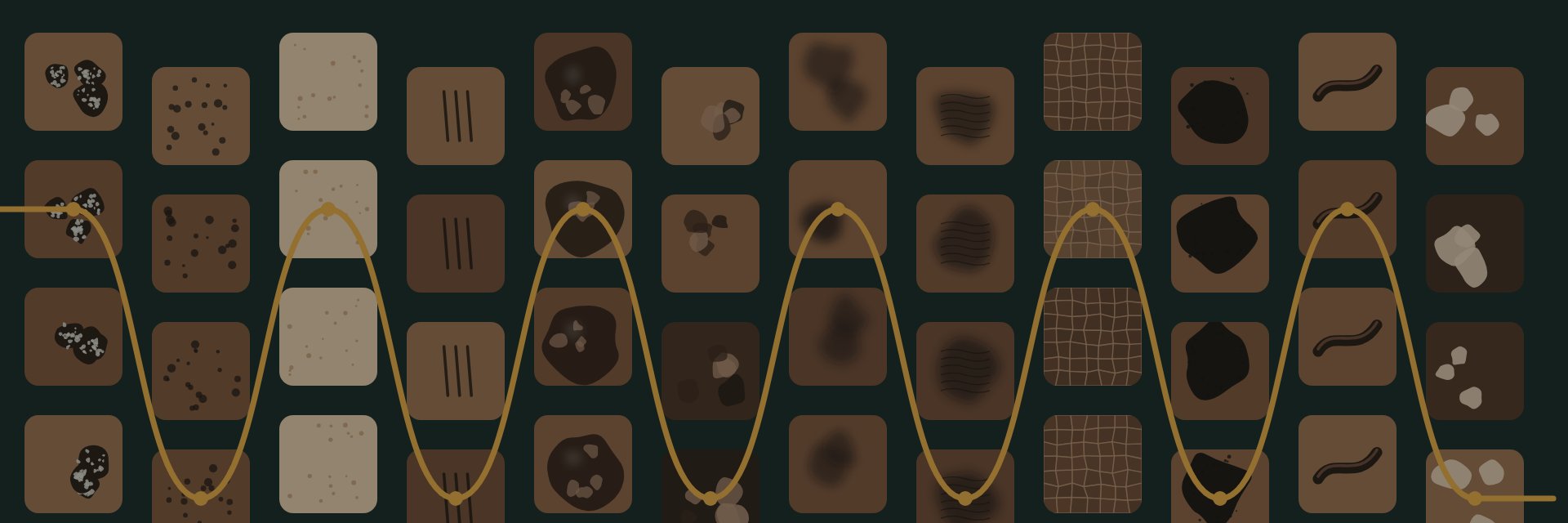
It covers the whole human appearance: skin conditions, scars, tribal marks and more. It also covers what happens to people because of how they look: the stares, the advice to cover up, the doors that close, the abuse online.
It is not a corner of disability.
Some of us also identify as disabled, and that is our right. But our battles are not the same. Disability advocates fought hard for their needs to be seen as real needs. People with Appearance Differences are still told our harm is vanity.
It is not a beauty problem.
The beauty industry sells the fix, and society blames the person who doesn’t buy it. Concealer is not support.
We see Appearance Differences as a domain of justice, health, culture and rights. Each community’s specific fight stays its own. We stand together on the harm we share: being targeted for how we look.
Read the full case: Visible Difference Beyond Disability: Toward an Appearance-Centered Framework (APi Positioning Paper No. 2, SSRN, June 2026).
The weekly series
Every week, our Founder, Ogo Maduewesi, writes about one part of the harm and what it will take to build a home for this field.
Week 1 of 12
A woman in a Lagos market tells me to cover my vitiligo. She meant well. That is what makes it hard.
Week 2 of 12
Last week, I wrote about a woman in a Lagos market who told me to cover my vitiligo. She meant well. This week is about the people who are supposed to help.
Some time ago, I learnt that in some African countries, vitiligo was called a “psychosocial disability” so that people living with it could get support from a grant. I was glad for them. Then I thought about home.
But from what I see here in Nigeria, and in many other African countries, it feels different. People living with vitiligo and other Appearance Differences are not counted that way. There is no label that opens the door.
So the same condition can be seen in one country and be invisible in the next. It depends on what name someone else chooses to give it.
That is what I call a rented category. When Appearance Differences are placed under another label to fit someone else's rules, we don't own that label. Whoever owns it can change it, withdraw it, or forget us when their focus moves.
Why must we be second class in a field we are supposed to be a part of? And are we really a part of it from every angle? No, we are not.
Our needs are not the same needs. A borrowed label cannot see what we actually face: the stares, the advice to cover up, the pressure to look “normal” before we are accepted. The stigma, discrimination, exclusion, inequality.
We don't need to rent a room in someone else's house. We need a home of our own.
This week’s ask
If you live with an Appearance Difference, has anyone ever told you that what you go through doesn't count, because it doesn't fit their category? Tell me in the comments. And if your organisation is already working on this, I would like to hear from you too.
Week 3 of 12
There was a man who felt I could do anything and achieve it. We were supposed to be in a relationship. One day, out of the blue, he was waiting at the parking lot. As I pulled up and stepped out, he said: “Even on a date, you cannot cover this vitiligo?”
I asked him, “For what?” He went quiet. Then he said: “At least look normal and beautiful. I am a man, and you do not make the effort to look good for me.” What????
He believed I could achieve anything. But he could not accept me as I look.
Behind his words is a belief many people hold: that how we look is a choice. That somewhere there is a cream, a lotion or a machine that can fix it. And if we have not fixed it, we did not try hard enough.
Nobody would tell a person in a wheelchair, “Get up and walk. You can if you want.” And rightly so. That respect was fought for.
But many of us live with conditions we have no control over. Some of us carry scars from surgery that saved our lives. Some of us were given cultural marks at birth. Some of us, like people with scleroderma or psoriatic arthritis, also live with pain or mobility issues. None of this is a choice.
So where does the belief come from? Every day, new products are announced. Adverts tell us that skin must be even, clear and one colour. Concealer. Bleaching creams. “Be confident.” The fix is sold everywhere.
And when the fix is everywhere, not using it looks like a choice. A bad choice. So the person who doesn't hide gets blamed, even by someone who says he cares for her.
The fact: a 2023 World Health Organization fact sheet puts skin bleaching at about 1 in 4 people across Africa, with figures as high as 77% reported in Nigeria. If that many people are buying the fix, think of the pressure on those of us whose skin will never be “even”.
The industry sells the fix. Society blames the person who doesn't buy it.
This week’s ask
To beauty and skincare brands: you can sell your products without telling us our skin is a problem to hide. Show people with Appearance Differences in your adverts as we are.
Week 4 of 12
I am not against the words “visible differences.” But they are not big enough.
Some of us see doctors. Some of us see psychologists. Many of us see neither. Yet all of us meet the same stares, the same rejection, somewhat the same discrimination, stigma, exclusion, unequal treatment, the same jokes.
So I ask: before the next doctor's appointment, who do we go to? Every day, people treat us however they like, and nothing stops them. So I went looking at Nigeria's laws.
Section 42 of our Constitution protects us from discrimination because of our community, ethnic group, place of origin, sex, religion or political opinion, and because of the circumstances of our birth.
Our disability law protects people with long-term physical, mental, intellectual or sensory impairments. It protects disability, not appearance.
Neither one names how we look. No mention of scars, birthmarks, skin conditions, or appearance itself.
Even disability is not named in Section 42. Disabled Nigerians fought for a law of their own, and won it in 2019. We have none.
That is why we need a name big enough for all of us. Appearance Differences holds the whole human appearance: skin conditions, scars, burns, birthmarks, albinism, cultural marks, and more. It holds everyone who lives with them, whether they have seen a doctor or not.
And it leads with what is missing most: psychosocial (social, emotional and mental) care and support, alongside doctors. Not instead of them. Alongside them.
No one with a physical Appearance Difference should be left without a place to belong.
This week’s ask
Between appointments, or if you have never seen a doctor at all, who do you go to? Tell me in the comments.
Join the movement